# Best Online Jacket Back Digitizing USA: A Complete Guide
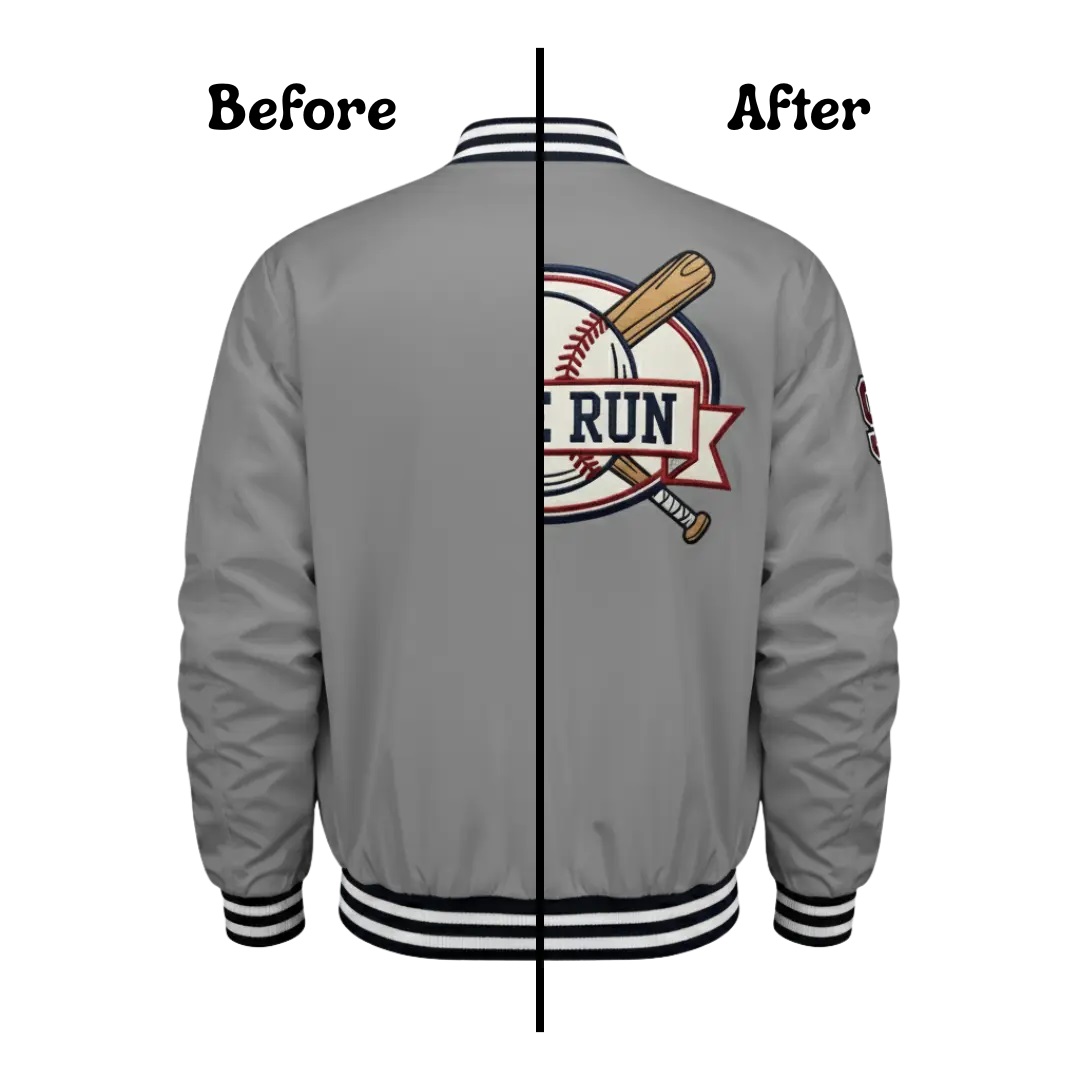
Jacket back embroidery is a popular choice for custom apparel because it allows large logos, artwork, lettering, and detailed designs to be reproduced directly on fabric.
From team jackets and workwear to personalized clothing and promotional apparel, a well prepared embroidery file plays an important role in achieving clean and consistent results.
Finding the ***[best online jacket back digitizing USA](https://zdigitizing.com/jacket-back-digitizing-services/)*** requires more than comparing prices. The quality of the digitized file, knowledge of embroidery techniques, turnaround time, file compatibility, revision policies, and customer support can all affect the final result.
Choosing a service that understands these factors can help reduce production problems and improve embroidery quality.
## What Is Jacket Back Digitizing?
Jacket back digitizing is the process of converting artwork into a digital embroidery file that an embroidery machine can read. The process is different from simply uploading an image because embroidery machines require detailed instructions about how stitches should be placed.
Large jacket designs often contain lettering, outlines, filled sections, curved shapes, and multiple colors. A professional digitizer evaluates the artwork and determines suitable stitch types, stitch directions, stitch density, underlay, spacing, and pull compensation.
The goal is to create a production ready file that can reproduce the artwork accurately while working effectively with the selected fabric and embroidery equipment.
## Why Professional Jacket Back Digitizing Matters
A good source image does not guarantee good embroidery. Poor digitizing can result in uneven lettering, excessive thread buildup, gaps, puckering, distorted shapes, and unnecessary thread changes.
Professional digitizing considers how thread behaves when stitched into fabric. For example, large filled areas may require careful stitch direction and density to maintain a smooth appearance. Small lettering may need adjustments so that individual characters remain readable after stitching.
Experienced digitizers also consider the material being embroidered. A jacket made from a lightweight fabric may require different settings from a heavier garment. These technical decisions can make a meaningful difference to the finished product.
## Benefits of Online Jacket Back Digitizing
Online digitizing makes the process convenient because customers can submit artwork without visiting a physical location. Artwork can be shared digitally, requirements can be discussed remotely, and completed files can be delivered electronically.
This approach can be particularly useful for apparel businesses, sports organizations, schools, promotional clothing providers, and individuals who need embroidery files regularly.
Another advantage is access to specialized digitizing knowledge. Customers can work with professionals who understand embroidery production rather than relying solely on automated image conversion.
## How to Choose the Best Jacket Back Digitizing Service
Before placing an order, examine the provider's previous embroidery work and assess the quality of lettering, outlines, filled areas, curves, and fine details. A portfolio can provide useful evidence of practical experience.
It is also helpful to ask about supported file formats, expected turnaround time, revision options, pricing, and customer support. These details can prevent misunderstandings later.
Most importantly, consider whether the service focuses on production ready embroidery rather than simply converting an image into a machine file. Effective digitizing requires technical judgment because the final design must work with thread, fabric, needle movement, and embroidery equipment.
## Tips for Preparing Artwork for Jacket Back Digitizing
Providing clear artwork can make the digitizing process easier. High resolution artwork is generally helpful because it allows the digitizer to identify important design details accurately.
Customers should also provide the desired embroidery size and, when possible, information about the garment fabric and embroidery machine. If specific thread colors are required, those details should be communicated before digitizing begins.
For complicated designs, it can also help to explain which elements are most important. This allows the digitizer to prioritize readability and visual accuracy when some details cannot be reproduced at a very small scale.
## Common Mistakes to Avoid
One common mistake is selecting a digitizing service based solely on the lowest price. A low cost file may require additional corrections or produce poor embroidery, increasing overall production costs.
Another mistake is failing to specify the required embroidery size. Stitch settings that work well at one size may not produce the same results when a design is significantly enlarged or reduced.
Using the wrong file format can also cause problems. Customers should confirm their machine requirements before requesting the final file.
Finally, skipping a test stitchout can be risky for complex jacket back designs. Testing allows potential issues with density, lettering, placement, and thread behavior to be identified before full production.
## Frequently Asked Questions
### What is the best file format for jacket back embroidery?
The appropriate format depends on the embroidery machine being used. DST, PES, EXP, JEF, and VP3 are among the commonly used formats. Confirming the machine requirements before ordering is the safest approach.
### How long does jacket back digitizing usually take?
Turnaround time varies according to the complexity of the artwork, design size, stitch count, and service workload. Simple artwork may require less time, while detailed jacket back designs can require additional preparation and review.
### Can any artwork be converted into a jacket back embroidery file?
Most artwork can be prepared for embroidery, but some details may need modification. Very small text, subtle gradients, extremely fine lines, and photographic details may not translate directly into stitches. A skilled digitizer can simplify or adjust these elements while preserving the main appearance of the design.
### Should a jacket back design be test stitched?
Yes. Test stitching is particularly useful for large or detailed designs. It can reveal issues with stitch density, thread direction, lettering, fabric interaction, and placement before the design is produced on the final garment.
## Conclusion
Choosing the best online jacket back digitizing service in the USA involves evaluating quality, technical knowledge, file compatibility, turnaround time, pricing, and revision support.
Professional digitizing can help transform artwork into a production ready embroidery file that works effectively with the selected garment and embroidery machine.
Whether the project involves custom team jackets, business apparel, promotional clothing, school garments, or personal designs, careful digitizing is an important part of the production process.
By reviewing previous work, communicating requirements clearly, selecting the correct file format, and requesting a test stitch when appropriate, customers can make more informed decisions and achieve reliable embroidery results.